

For Traveler wondering which city is called the City of Love, the answer becomes clear the moment Paris reveals itself. Every traveler carries a quiet wish list in their heart. Some dream of mountains. Others chase beaches. But almost everyone, at some point, dreams of romance. That dream usually leads to one timeless question: Which city is called the ‘City of Love’?
Ask couple planning honeymoons, solo traveler journaling in cafés, writers, painters, filmmakers, or photographer. Across generations and continents, the answer barely changes.
It’s Paris, France.
But here’s the thing—Paris didn’t earn this title through advertisements, hashtags, or clever branding. It earned it through lived experience. Through footsteps echoing on cobblestone streets, conversation stretch over coffee, Through moment that feel unplanned yet unforgettable.
Paris isn’t just called the City of Love. It behaves like one.
Let’s slow down, walk through the city together, and understand why this title still belongs to Paris—and why it likely always will.
Why People Keep Asking Which City Is Called the City of Love
Romance-led travel isn’t a trend; it’s a timeless instinct. Human don’t just travel to see places—they travel to feel something.
And love, in all its forms, is one of the strongest feelings we chase.
People ask this question because:
-
They want emotional connection, not just sightseeing
-
They want memories, not checklist
-
They want atmosphere, not adrenaline
The City of Love isn’t about luxury or scale. It’s about emotion per square meter. And that’s where Paris quietly wins.
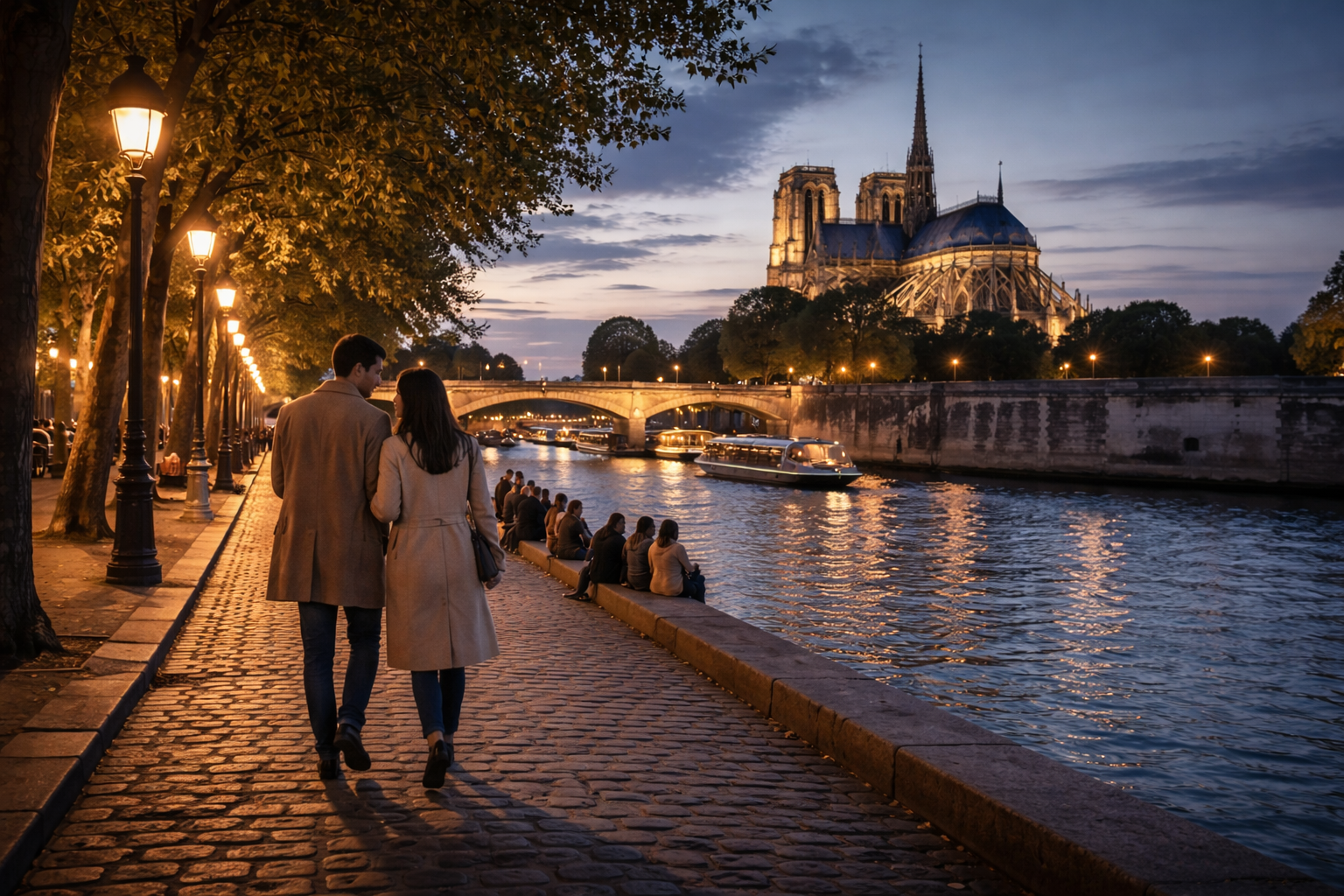
How Paris Became the City of Love Without Marketing
Here’s what makes Paris different from many “romantic” destinations:
It didn’t market itself into romance.
Long before travel influencers or tourism boards existed, Paris was already being written about, painted, sung about, and whispered about. Artists, philosophers, and traveler passed through the city and left with stories—not brochures.
From 19th-century poets to modern-day honeymooners, people independently reached the same conclusion:
Something about Paris makes you feel more deeply.
That consistency is rare. And it’s the reason the title stuck.
The Slow Pace That Makes Paris the City of Love
Paris doesn’t rush you. And that crucial.
In a world obsessed with speed, Paris moves differently. Streets invite walking, not rushing. Cafés invite sitting, not leaving. Conversations stretch without urgency.
Romance thrives in this slowness.
You notice thing:
-
The way light fall on stone building
-
The rhythm of footsteps on narrow lane
-
The comfort of silence share
Paris doesn’t overwhelm. It welcome.
Why Paris Is Best Experienced on Foot
If romance had a transportation mode, it wouldn’t be a car or a train. It would be walking.
Paris is design for wandering. Not wandering with Google Map, but wandering with curiosity.
Some of the most romantic moments in Paris aren’t planned:
-
Turning down a quiet street and finding a tiny bakery
-
Hearing music drift from an open window
-
Sitting on steps simply because they feel right
The city magic live between landmark. And that’s why first-time visitor often say their favourite moment weren’t photograph—they were felt.
The Seine River: The Romantic Heart of the City of Love
If Paris had a heartbeat, it would be the Seine River.
The Seine doesn’t rush. It curves gently, reflecting bridge, light, and live. It connect neighbourhood the way emotions connect moment.
Walking along the Seine—especially at sunset or late evening—feels almost cinematic. But it isn’t staged. It’s everyday life in Paris.
Couples walk. Locals read. traveler pause.
And suddenly, time feels softer.
That’s romance.
Pont des Arts: Love Without a Ticket
Among Paris many bridges, Pont des Arts holds a special emotional weight.
This pedestrian bridge doesn’t shout for attention. It simply exists, offering space to stop.
Once famous for love locks, the bridge has since evolved. Today, its glass panels open uninterrupted views of the river and skyline.
What makes Pont des Arts romantic isn’t a tradition—it’s permission.
Permission to pause, present, share a moment without expectation. No entry fee, performance. Just Paris being Paris.
Paris Landmarks That Define the City of Love
Paris has famous landmarks—but they don’t dominate you. They accompany you.
The Eiffel Tower: A Quiet Emotional Anchor
Yes, it’s iconic, photograph endlessly. But seeing the Eiffel Tower in person—especially when it lights up at night—still hits differently.
It doesn’t feel loud. It feels reassuring. Like a familiar thought you return to.
You don’t need to climb it for it to matter. Sometimes, just seeing it from across the river is enough.
Montmartre: Romance With a Village Soul
Montmartre feels like Paris whispering.
Its narrow streets, hilltop views, and artistic legacy create a space that feels intimate rather than grand. It’s less about attraction and more about atmosphere.
Here, romance isn’t flashy. It’s textured. Slightly imperfect. Human.
People don’t rush in Montmartre. They linger—and that’s the point.
Café Culture: Where Love Lives in Conversation
Parisian cafés aren’t restaurants. They’re extensions of life. This is exactly why Paris continues to be recognised as the City of Love by traveler worldwide.
You don’t go to cafés to eat quickly. You go to sit, talk, think, watch, and connect.
A table, two chairs, and time—that’s all romance really needs.
In Paris:
-
No one rushes you
-
No one interrupts your moment
-
No one minds if you stay
Café culture reinforces a powerful idea:
Romance isn’t an event. It’s a habit.
Why Paris Work for Couple—and Everyone Else
Paris is famous for:
-
Honeymoon
-
Proposal
-
Anniversarie
-
Romantic getaway
But here’s the secret—it doesn’t belong only to couples.
Solo traveler often describe falling in love with the city itself. With how it makes them feel more themselves.
In Paris, romance can be:
-
Between people
-
Between you and the city
-
Between who you are and who you’re becoming
That universality is powerful.
Why the Title ‘City of Love’ Still Feels Accurate Today
Trends change. Cities modernise. But Paris’s emotional impact remains surprisingly consistent.
Across decades of travel writing, journals, blogs, and social media, the same words repeat:
-
Connection
-
Inspiration
-
Longing
-
Calm
-
Beauty
Paris doesn’t promise romance.
It creates conditions for it.
That’s why the title endures.
The Psychology Behind Paris’s Romantic Pull
There’s science behind the feeling.
Paris offers:
-
Walkable human-scale design
-
Visual harmony in architecture
-
Cultural respect for pleasure and beauty
-
A lifestyle that values presence
Romance thrives where people feel comfortable slowing down—and Paris is built for that.
Paris vs Other Romantic Cities: Why Paris Still Wins
Many cities claim romance—Venice, Rome, Prague, Kyoto.
They’re beautiful. They’re emotional. But Paris does something unique.
It blends:
-
Grandeur with intimacy
-
History with everyday life
-
Art with routine
Paris doesn’t feel like a museum. It feels like a relationship—layered, evolving, real.
What First-Time Visitors Notice Instantly
Most people arrive in Paris expecting landmark.
What surprises them is the mood.
They feel:
-
Calmer
-
More reflective
-
More open
That emotional shift happens quickly—and stays long after the trip end.
Why Paris Feels Romantic Even on Ordinary Days
Paris doesn’t save romance for special occasion.
A grocery run feel poetic, rainy walk feel cinematic and missed train feel like a story.
Romance in Paris isn’t scheduled—it’s ambient.
How Paris Shapes Love Stories Without Trying
The city doesn’t interfere. It simply provides the setting.
People talk longer.
They listen more, observe details.
Love grows in that space—quietly, naturally.
Is Paris Still the City of Love in 2026 and Beyond?
Absolutely.
Technology may change travel, but emotional design doesn’t age. Paris’s structure, culture, and pace continue to support connection.
As long as humans crave depth over distraction, Paris will remain the City of Love.
Which City Is Called the ‘City of Love’?
The answer is Paris, France—not because it claims the title, but because traveler keep giving it back.
From moonlit walks along the Seine to silent moments on bridges, from café conversations to glowing streets, Paris invites people to slow down and feel.
Whether you arrive with a partner, alone, or with friends, the city gives you something rare in modern travel: space to connect.
That is why Paris has always been—and continues to be—the City of Love.
Conclusion
Paris doesn’t sell romance.
It doesn’t demand attention. It rewards presence.
And that is why, when travellers ask which city truly deserves the name “City of Love,” the answer still feels effortless.
Paris doesn’t wear the title.
It lives it.
FAQ
Which city is called the City of Love?
Paris, France is called the City of Love. Its romantic atmosphere, historic street, café culture, and scenic river walk make it the most romantic city in the world.
Why is Paris known as the City of Love?
Paris is known as the City of Love because of its slow pace, artistic heritage, beautiful architecture, and intimate experiences like café conversations and walk along the Seine.
Is Paris still considered the City of Love in 2026?
Yes, Paris is still consider the City of Love in 2026. Despite modern change, its emotional charm, walkable street, and timeless romance remain unchanged.
Is Paris only romantic for couples?
No. Paris is romantic for couple, solo travel, and even friends. Many visitor say they fall in love with the city itself, not just with a partner.
What makes Paris more romantic than other cities?
Paris blend history, everyday life, art, and intimacy better than other romantic city. It feel personal, not performative, which make romance feel natural and lasting.
Leave a Reply