

Healthy Eating Ever feel like every new diet trend contradicts the last one? You’re not imagining it. Nutrition advice can be confusing, but healthy eating itself doesn’t have to be complicated. At its core, it’s about building a balanced, enjoyable way of eating that supports your body, your brain, and your mood—not a set of rigid rules you’re doomed to break.
In this guide, you’ll walk through what a balanced diet really looks like, how to build it step by step, and how to make it work in real life—busy schedule, cravings, moods and all.
What Healthy Eating Really Means
Healthy eating isn’t about starving yourself, cutting out everything you love, or chasing some “perfect” body. It’s about building a way of eating that helps you feel energized, clear-headed, and emotionally steady most days.
Instead of obsessing over single “superfoods,” think of your diet as a pattern: what you eat repeatedly over time matters a lot more than any one meal or snack.

The Core Building Blocks of a Balanced Diet
A balanced diet includes the right mix of protein, carbohydrates, fats, fiber, vitamins, and minerals—each playing its own role, like instruments in a band.
Here the big picture of what you’re aiming for most days:
-
A good source of protein at each meal.
-
Plenty of colorful fruits and vegetable.
-
Mostly whole, high-fiber carb.
-
Healthy fat (especially unsaturated fats).
-
Enough calcium and other key micronutrient.
Let break those down.
Protein: More Than Just Muscle Food
Protein isn’t only for bodybuilders. It’s essential for your muscles, hormones, immune system, and even your brain and mood.
-
It helps keep you full and can prevent energy crashes and mindless snacking.
-
Getting adequate, high-quality protein becomes even more important as you age to preserve muscle and strength.
You don’t have to live on meat to meet your needs. Great sources include:
-
Lean meats, fish, eggs, and dairy.
-
Beans, lentils, chickpeas, tofu, tempeh.
-
Nuts, seeds, and soy products.
Mixing plant proteins (like beans with grains) over the day can provide all the essential amino acids your body needs.
Fats: Friend, Not Enemy
Fat has had a bad reputation for years, but the story is more nuanced. Your body actually needs fat for hormone production, brain function, and absorbing fat‑soluble vitamins.
The trick is focusing on type, not total fear:
-
Healthy (unsaturated) fats: Found in olive oil, nuts, seeds, avocados, and fatty fish; these support heart and brain health and can improve satiety.
-
Less healthy fats: Excess saturated fat and trans fats can raise the risk of heart disease when they displace healthier fats and whole foods.
Think of adding a drizzle of olive oil to veggies, a handful of nuts to snacks, or salmon instead of fried meat to gently shift your fat intake in the right direction.
Carbohydrates: Fuel With a Catch
Carbs are your brain and body’s main energy source, but not all carbs behave the same way.
-
Refined carbs (white bread, pastries, sugary drinks) digest fast, trigger blood sugar spikes, and can lead to energy crashes and mood swings.
-
Complex, high-fiber carbs (whole grains, fruits, vegetables, beans) digest slowly, provide steady energy, and support gut health.
Pairing carbs with protein and healthy fat—like whole grain toast with eggs and avocado—can help keep your blood sugar and appetite more stable throughout the day.
Fiber: The Quiet Hero of Your Plate
Fiber is like your digestive system’s personal trainer—it keeps things moving and supports long‑term health.
High‑fiber foods such as whole grains, fruits, vegetables, beans, and nuts:
-
Help regulate bowel movements.
-
Are linked to a lower risk of heart disease, stroke, and type 2 diabetes.
-
Help with weight management by increasing fullness and reducing overeating.
Most people fall far short of recommended fiber intakes, so simply swapping white bread for whole grain, adding beans to meals, and snacking on fruit and nuts can make a big difference.
Calcium and Bone-Supporting Nutrients
Calcium isn’t just about bones—it also plays a role in nerve signaling, muscle function, and may influence mood and sleep when intake is low.
Key ways to support bone and overall health:
-
Include calcium-rich foods like dairy, fortified plant milks, leafy green vegetables, and calcium-set tofu.
-
Make sure you also get enough vitamin D and vitamin K through food or sunlight and, if needed, supplements, since they help your body use calcium effectively.
Think: your skeleton is your long-term “frame.” Feeding it well now pays off later.
Why Tiny Changes Beat Extreme Diet
You don’t need a total life overhaul to eat better. In fact, dramatic all‑or‑nothing diets tend to backfire, leading to burnout, guilt, and rebound overeating.
Small, sustainable changes are easier to stick with, like:
-
Adding one extra serving of vegetables each day.
-
Swapping one sugary drink for water or unsweetened tea.
-
Cooking at home one more night per week.
Think of these as “1% upgrades.” Over time, they snowball into a completely different eating pattern without feeling like punishment.
Setting Yourself Up for Success (Not Stress)
Healthy eating becomes much easier when your environment works with you instead of against you.
Some simple strategies:
-
Cook more at home: Even basic meals—like stir‑fried veggies with tofu or chicken and rice—give you more control over ingredients, salt, fat, and portion sizes.
-
Stock your kitchen wisely: Keep staples like frozen veggies, whole grains, beans, eggs, yogurt, nuts, and fruit on hand so you can throw together balanced meals quickly.
-
Look at color and variety, not just calories: A plate with multiple colors and textures is more likely to deliver a mix of nutrients your body needs.
The less you rely on heavily processed, ready‑to‑eat foods, the easier it is to naturally improve both how you feel and how you function.
Moderation and Portion: The Art of “Just Enough”
Moderation simply means eating enough to feel satisfied—not stuffed—and leaving space for all kinds of foods, including treats, without turning them into daily habits.
You don’t need to ban favorite foods. Instead:
-
Enjoy richer foods less often or in smaller amounts (for example, bacon once a week instead of every day).
-
Use visual cues: a serving of meat is roughly the size of a deck of cards; cooked grains like rice or pasta are about the size of a traditional light bulb per half cup.
Practical portion tips include using smaller plates, eating slowly, and starting meals with vegetables or salad to help your body register fullness in time.
Mindful Eating: Listening to Your Body Again
Most of us eat on autopilot—while scrolling, working, or watching TV—so it’s easy to miss what the body is trying to say.
Mindful eating helps you:
-
Notice true hunger versus stress, boredom, or habit.
-
Pay attention to how different foods make you feel during and after a meal.
-
Slow down enough for your brain to catch up with your stomach, so you stop before becoming uncomfortably full.
Eating with others when possible and turning off screens at mealtimes can also reduce mindless overeating and make food feel more satisfying.
Snacking, Emotions, and Late-Night Eating
Snacks aren’t the enemy; how and why you snack matters more than whether you snack at all.
Balanced, intentional snacks combining carbs, protein, and some fat—like yogurt with granola, an apple with peanut butter, or whole‑grain crackers with cheese—can keep energy stable between meals.
Emotional eating is another common pattern: turning to food when stressed, lonely, or bored rather than truly hungry. Learning other ways to cope—like walking, calling a friend, journaling, or breathing exercises—makes it easier to keep food as nourishment, not a primary emotional outlet.
Late‑night eating can be tricky too. Some research links eating late with weight gain and poorer metabolic health, especially when it’s tied to non‑hunger snacking while relaxing. A more consistent pattern of earlier meals and lighter, planned evening snacks can help.
Why Breakfast and Meal Timing Still Matter
While meal timing isn’t everything, it can shape your energy, cravings, and hunger across the day.
-
A nutrient‑rich breakfast can help jumpstart your metabolism, improve concentration, and reduce uncontrolled snacking later.
-
Eating smaller, balanced meals across the day can keep energy more stable than long gaps followed by very large meals.
Think of your eating pattern as your daily “fuel schedule.” Regular, balanced refueling usually beats starving and then overeating.
Fruits and Vegetables: The Nutrient Powerhouses
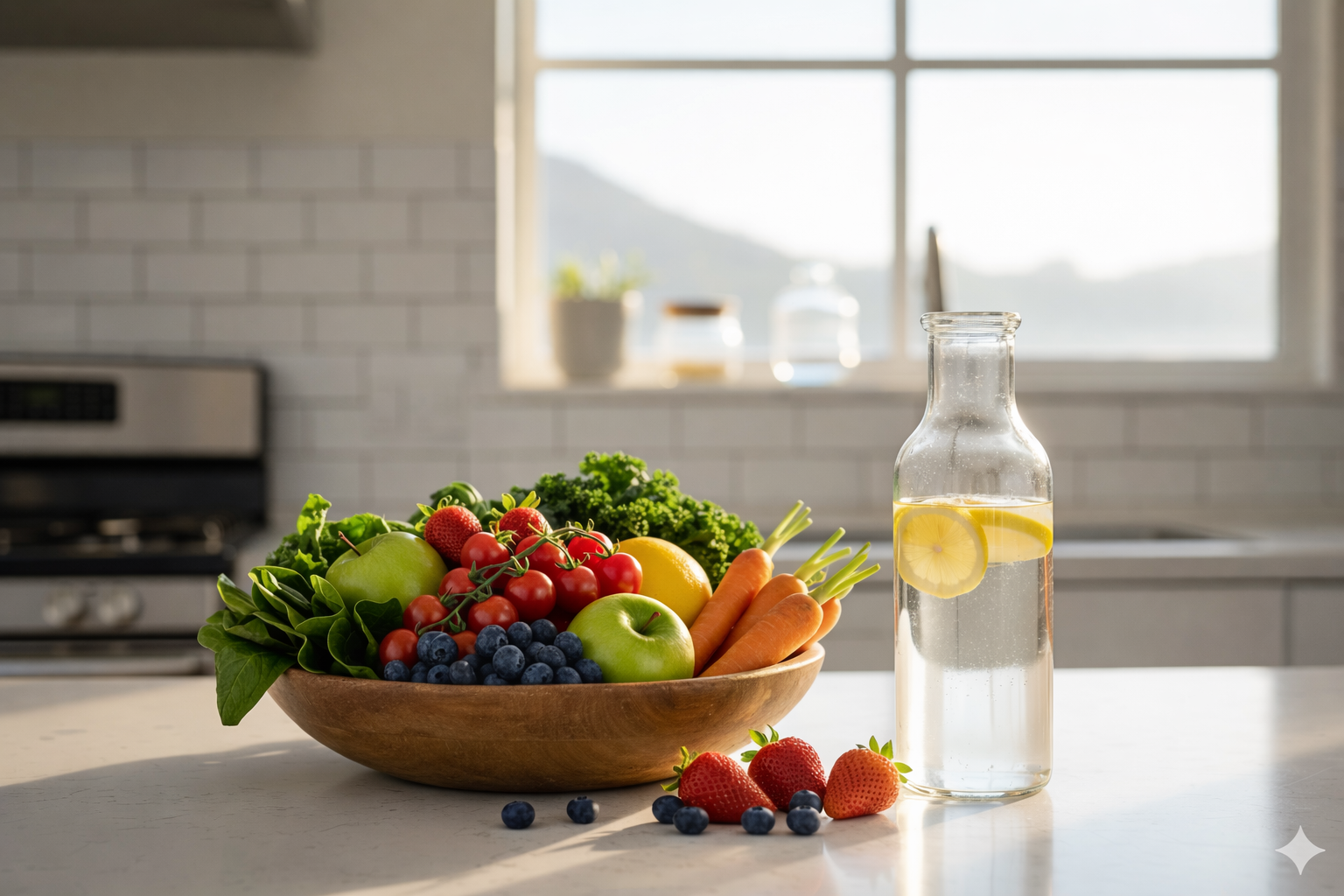
If one change had to top the list, it would be this: eat more fruits and vegetables. They’re nutrient‑dense, meaning they pack a lot of vitamins, minerals, antioxidants, and fiber into relatively few calories.
Aim for at least five servings a day, and more if you can. A serving might be:
-
Half a cup of cooked vegetables or chopped fruit.
-
One small piece of fruit, like an apple or banana.
Fruits and veggies are rich in vitamins A, C, K, folate, potassium, and many plant compounds with antioxidant properties, which are linked with lower risk of heart disease, some cancers, and other chronic conditions.
Simple Ways to Sneak In More Produce
If you’re nowhere near five servings a day, don’t panic. You can gently increase your intake with small, practical tweaks.
Try ideas like:
-
Tossing berries or sliced fruit onto breakfast cereal, oats, or yogurt.
-
Choosing a fruit medley—like orange segments, grapes, mango, or pineapple—for dessert instead of cake.
-
Swapping your usual rice or pasta side for a colorful salad or mixed roasted vegetables.
-
Snacking on carrot sticks, cherry tomatoes, cucumber, or snap peas with hummus or nut butter.
These changes not only add nutrients but also help fill you up so there’s less room for ultra‑processed snacks.
How to Make Vegetables Actually Taste Good
If you picture vegetables as sad, plain boiled sides, no wonder they’re hard to love. The good news? Veggies can be full of flavor when you treat them right.
Some easy upgrades:
-
Add color and variety: Brightly colored vegetables like tomatoes, beets, red cabbage, peppers, and squash tend to be rich in vitamins and antioxidants and look more appealing on the plate.
-
Use different greens: Rotate beyond iceberg or basic lettuce. Greens like spinach, kale, arugula, and cabbage add a deeper flavor and higher nutrient density.
-
Play with cooking methods: Instead of only boiling or steaming, try roasting, grilling, or pan‑searing vegetables with olive oil, garlic, onions, mushrooms, herbs, or chili flakes.
A squeeze of lemon or lime, a sprinkle of cheese, a spoon of nuts or seeds, or a flavorful dressing can turn “boring” vegetables into something you actually look forward to eating.
Hydration: The Overlooked Pillar of Healthy Eating
Food often gets all the attention, but hydration quietly shapes how you feel all day.
Even mild dehydration can cause tiredness, headaches, and difficulty concentrating, and sometimes thirst gets mistaken for hunger, leading to extra snacking. Keeping a water bottle nearby and drinking regularly—especially around meals—can support digestion, help manage appetite, and assist your body in flushing out metabolic waste.
Water, unsweetened tea, and sparkling water with a splash of citrus are simple ways to stay hydrated without adding lots of sugar.
Putting It All Together in Daily Life
Healthy eating isn’t about perfection; it’s about patterns and averages. You don’t “ruin” anything with one heavy meal, one dessert, or one late‑night snack.
Think practically:
-
Most meals: build a plate with a protein source, lots of vegetables, some whole‑grain or starchy carbs, and a bit of healthy fat.
-
Most days: drink plenty of water, include fruits and veggies, and watch portions without obsessing.
-
Most weeks: cook at home when you can, enjoy treats mindfully, and listen to your body’s hunger and fullness signals.
Over time, these small, consistent choices shape your energy, mood, and long‑term health far more than any single diet plan ever will.
Conclusion
Healthy eating doesn’t require perfection, complicated rules, or giving up everything you enjoy. It’s about building a balanced pattern of eating—rich in whole foods, fruits, vegetables, fiber, healthy fats, and adequate protein—that you can actually live with.
By focusing on small, sustainable changes, paying attention to your body’s signals, and making food choices that support both physical and mental well‑being, you create a way of eating that feels good now and protects your health later.
Leave a Reply