

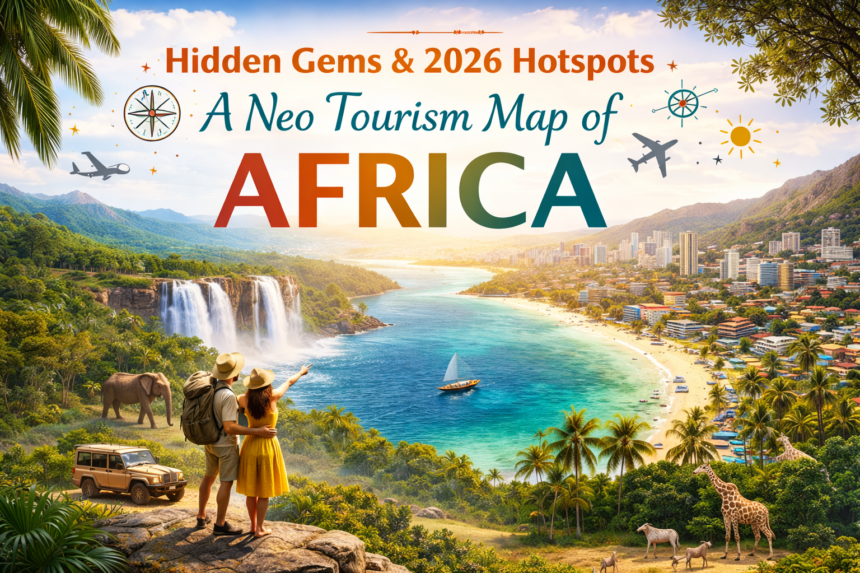
Africa tourism 2026 has always had that magnetic pull. You know the feeling—the kind that tugs at your curiosity the moment someone mentions golden deserts, roaring waterfalls, endless savannahs, or ancient civilizations. For decades, travelers associated Africa with a familiar checklist: Egypt’s pyramids, Serengeti safaris, Victoria Falls, and postcard-perfect Indian Ocean beaches.
But here’s the twist: Africa in 2026 is no longer just about the classics.
It’s about rediscovery. Reinvention. And a tourism map that’s being quietly—but powerfully—redrawn.
As global travelers grow weary of overcrowded destinations and cookie-cutter experiences, Africa is stepping into the spotlight with a new story. One that’s rich in hidden gems, emerging hotspots, creative cities, untouched coastlines, and deeply immersive cultural encounters. This is not just tourism; it’s transformation.
So buckle up. Whether you’re a seasoned explorer, a culture lover, a nature enthusiast, or someone simply dreaming of their next great escape, let’s dive into Africa’s new tourism narrative for 2026—one destination at a time.
Africa Tourism 2026: Why the Continent Is Entering a New Travel Era
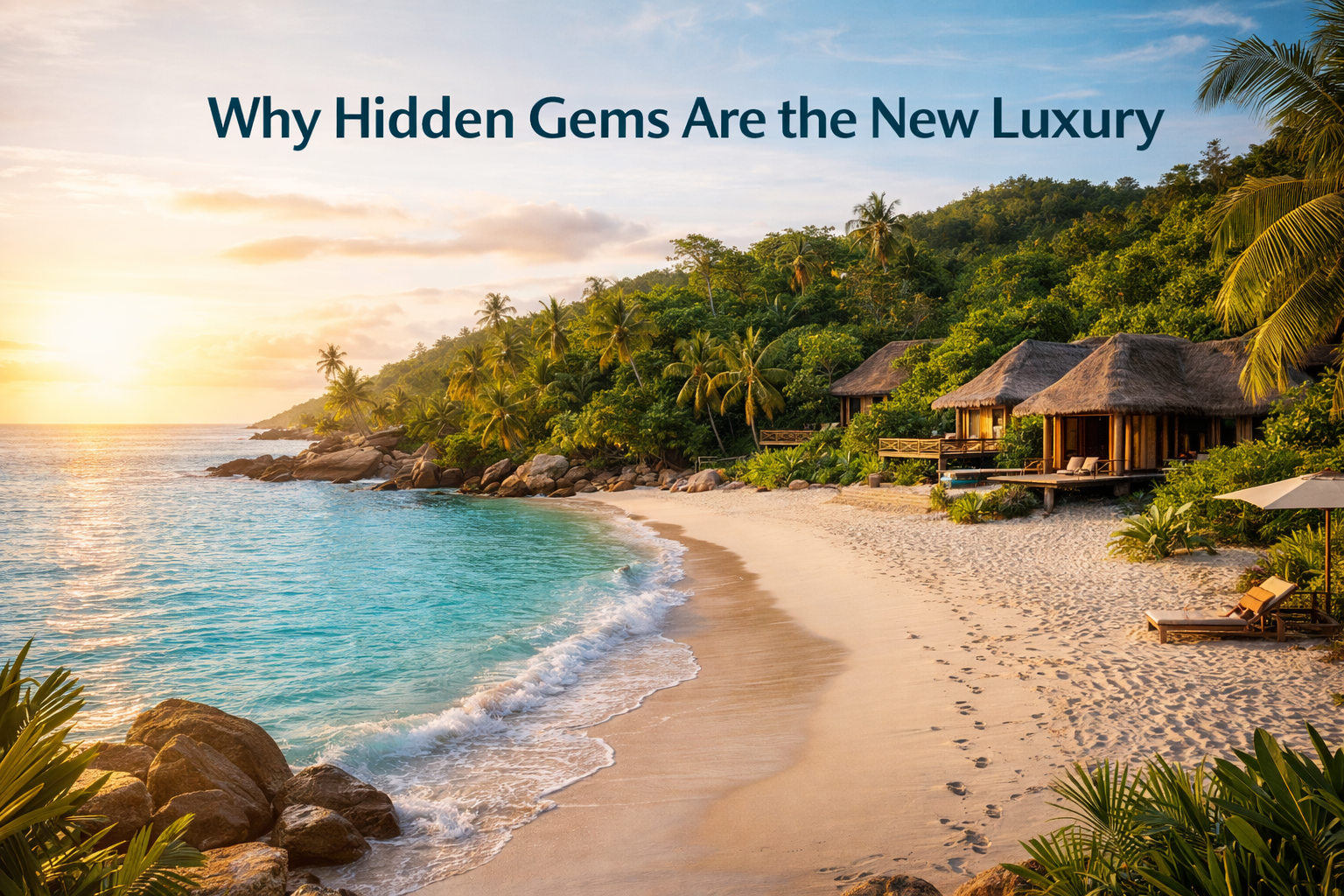
Africa tourism 2026 charm has never faded—it has simply evolved.
From the outside, it may seem like the continent has always been popular. But dig a little deeper, and you’ll notice a shift in how travelers engage with Africa today. Gone are the days when tourism revolved solely around landmark attractions. Modern travelers want more. They crave authenticity over abundance, connection over convenience, and stories over souvenirs.
As one travel expert aptly put it:
“Africa isn’t just about safaris and beaches anymore—it’s a vibrant mosaic of experiences waiting to be discovered.”
And that’s exactly what’s happening. Africa’s tourism landscape is expanding outward, embracing lesser-known destinations while redefining luxury, sustainability, and cultural immersion.
Redefining the African Travel Experience
For years, African tourism was neatly packaged—wildlife safaris in East and Southern Africa, beach escapes in Zanzibar or Seychelles, and historical tours in North Africa. While these experiences remain iconic, the story is no longer linear.
Today Africa offers:
-
Community-led tourism
-
Eco-conscious luxury
-
Creative urban hubs
-
Slow travel experiences
-
Regenerative and sustainable journeys
According to recent industry insights, travellers are increasingly drawn to places that feel “less crowded, more meaningful, and deeply rooted in local life.”
And that shift? It’s reshaping Africa’s tourism map in ways that feel exciting, fresh, and long overdue.
Off-the-Beaten-Path Destinations Redefining Africa Tourism 2026
Sun, sand, and sea are timeless—but Africa tourism 2026 coastline still holds secrets most travel haven’t uncovered yet.
Bazaruto & Vilanculos, Mozambique: Barefoot Luxury Redefined
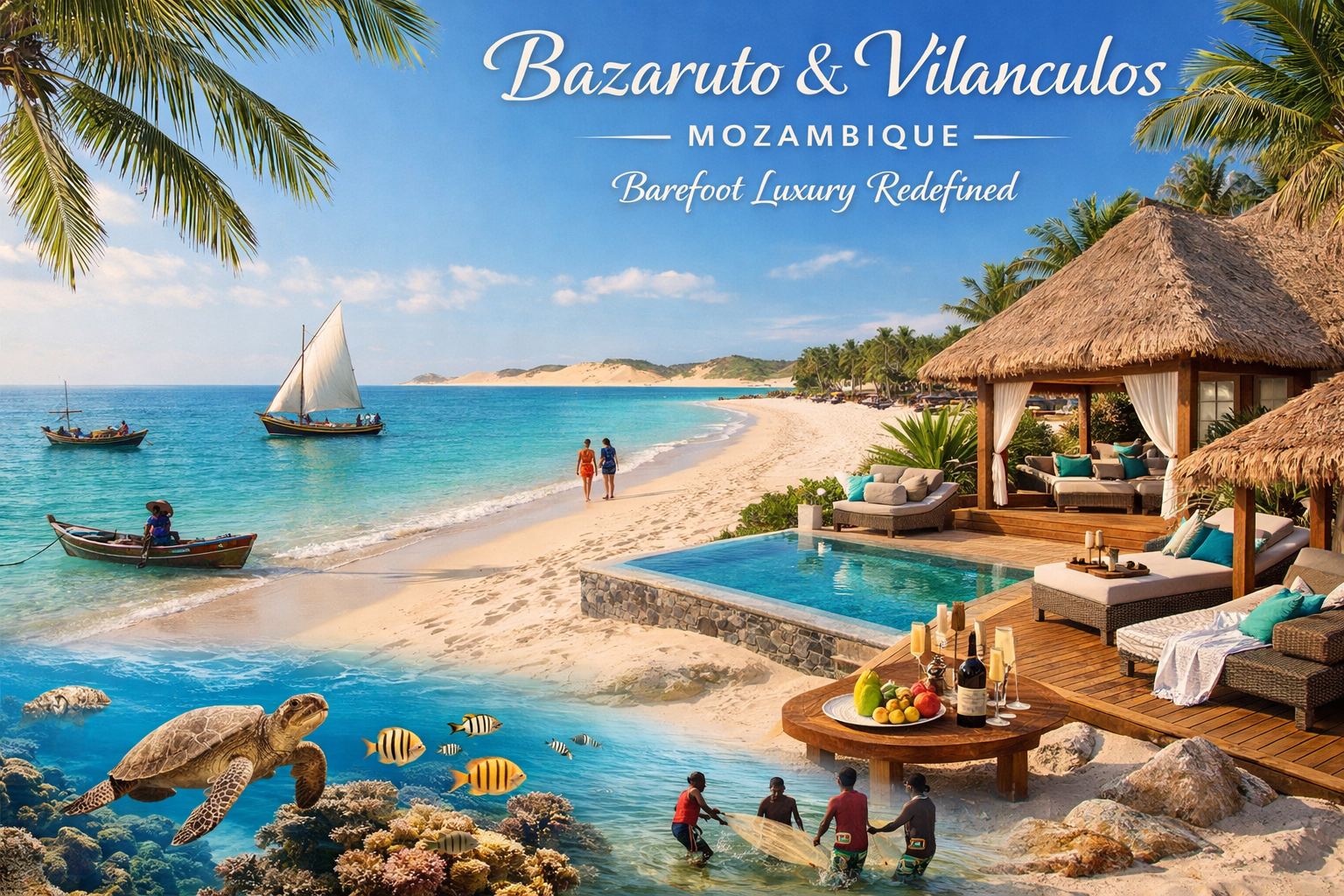
Imagine this: powder-soft white sand under your feet, turquoise waters stretching endlessly, and a sense of calm so complete it feels unreal.
Welcome to Bazaruto Archipelago and Vilanculos—Mozambique’s rising coastal stars.
Often described as “barefoot luxury at its finest,” this region is quickly emerging as one of Africa tourism 2026 most desirable beach destinations for Africa tourism 2026. Recent improvements in flight connectivity and hospitality infrastructure are making these once-remote islands more accessible without compromising their serenity.
Boutique resorts like the re-emerging Azura Marlin Beach focus on intimacy, sustainability, and personalized service.
A local lodge owner sums it up beautifully:
“People don’t come here just to see paradise—they come to feel it.”
From vibrant coral reefs and marine life to cultural interactions with local fishing communities, Bazaruto offers a rare blend of luxury and authenticity.
Comoros: Africa Quiet Island Secret
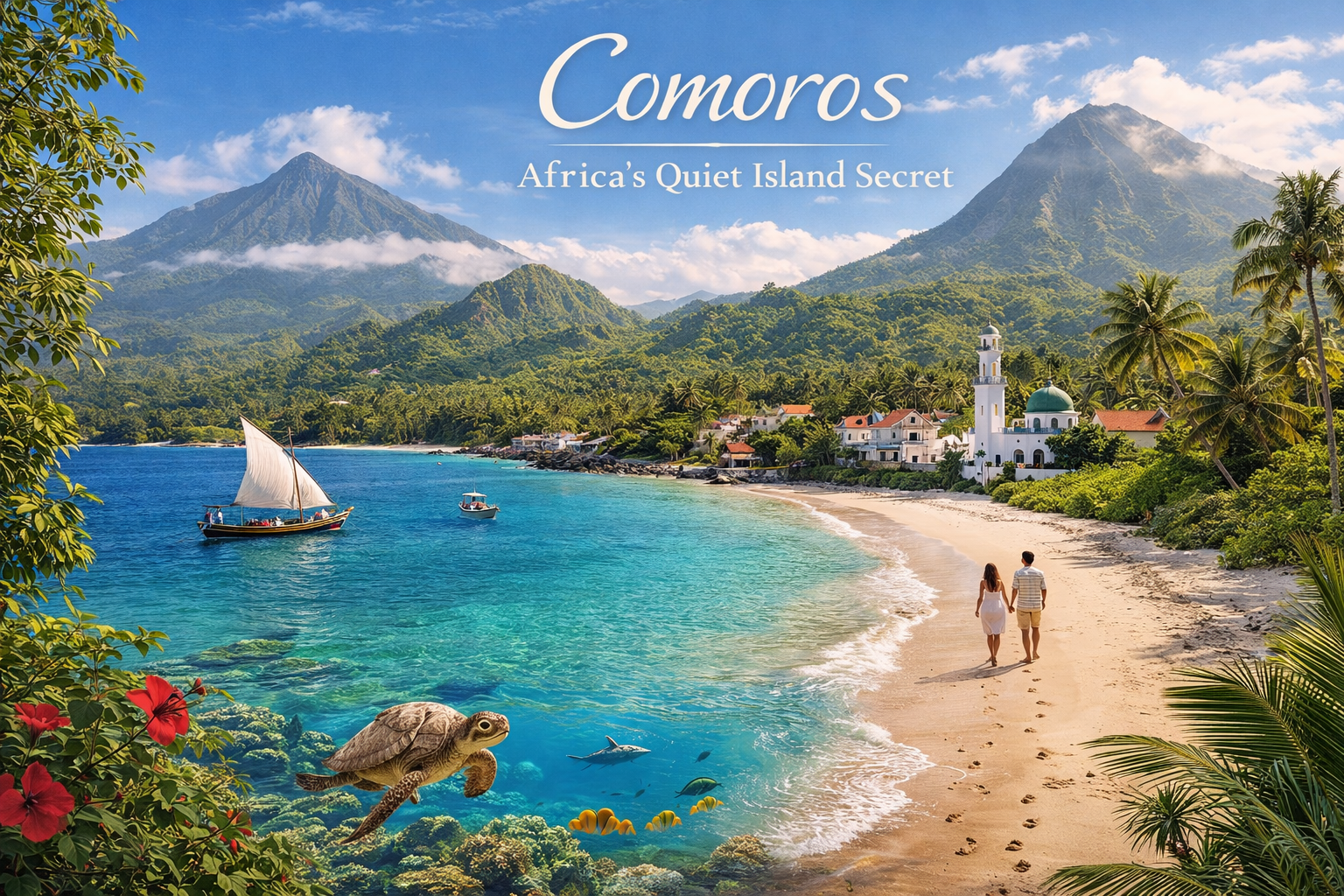
Tucked between Madagascar and Mozambique lies Comoros, a volcanic island nation that feels almost untouched by time.
Think lush landscapes, dramatic volcanic peaks, and beaches so peaceful they feel like private hideaways. What truly sets Comoros apart, though, is its cultural fabric—a fascinating blend of Swahili, Arabic, and French influences.
A travel guide once described Comoros as:
“A place where the water is bluer, the crowds are fewer, and the experiences feel deeply personal.”
Limited development has become Comoros’ biggest asset. In a post-pandemic world where travellers value space, tranquillity, and eco-conscious stays, this island nation is quietly becoming a dream destination for honeymooners and mindful explorers alike.
Cultural Capitals & Creative Urban Hotspots
Africa tourism 2026 hidden gems aren’t limited to beaches and forests. Its cities are buzzing with creativity, innovation, and cultural pride.
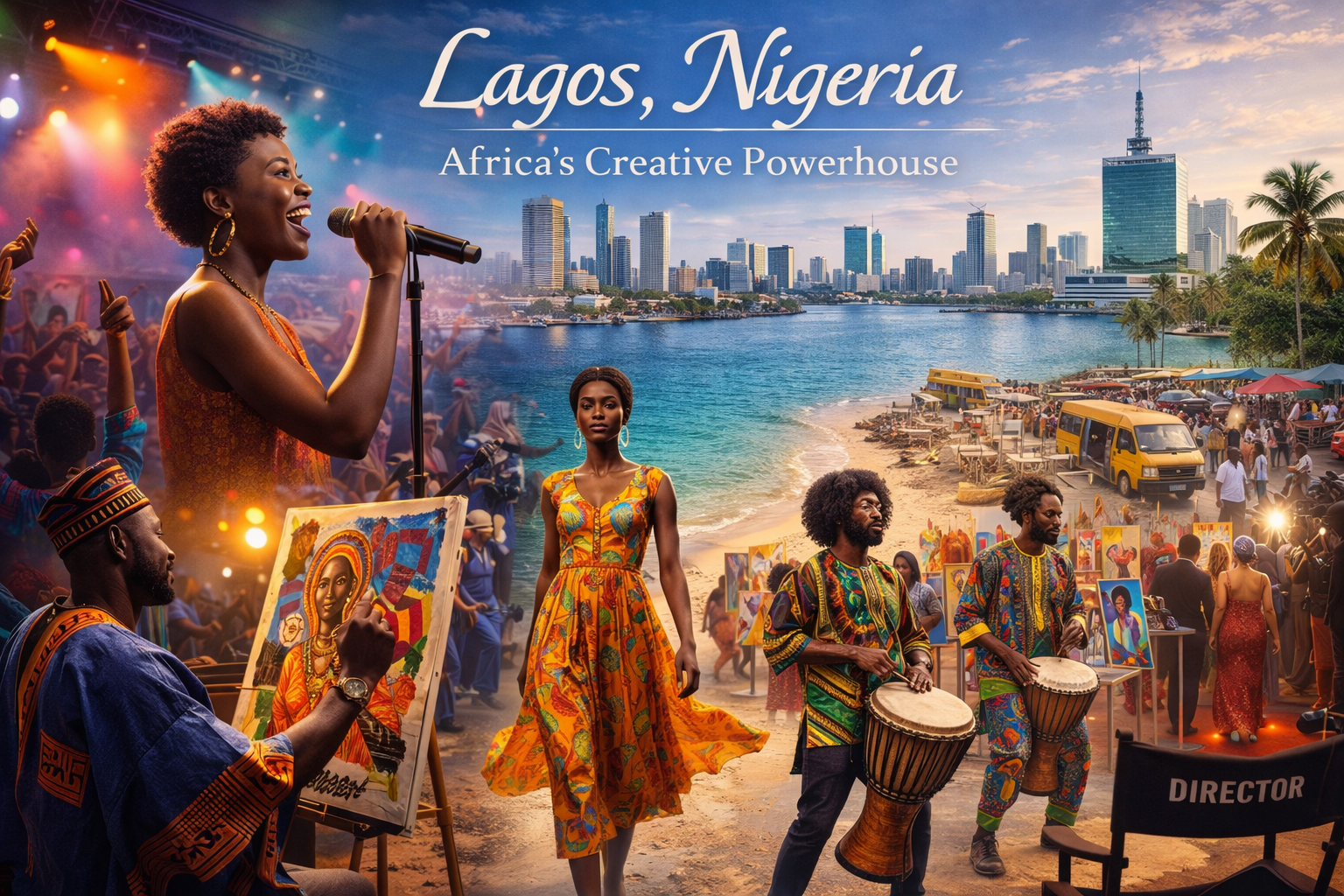
Lagos, Nigeria: Africa Creative Powerhouse
Lagos doesn’t whisper—it roars.
This sprawling megacity is fast emerging as Africa’s contemporary art and culture capital. With over 45 galleries, globally recognized events like Art X Lagos, fashion weeks, music festivals, and a thriving film and tech scene, Lagos pulses with creative energy.
One curator describes it perfectly:
“Lagos is unapologetically African—bold, expressive, and endlessly inspiring.”
For travellers seeking culture with a capital “C,” Lagos offers an experience that’s raw, dynamic, and unforgettable.
Abidjan, Cote d’Ivoire: West Africa’s Stylish City Escape
Abidjan is having a moment—and it’s well deserved.
As Côte d’Ivoire’s economic heartbeat, the city blends modern sophistication with deep-rooted tradition. Lagoon-side cafés, contemporary art spaces, vibrant nightlife, and an emerging boutique hotel scene make Abidjan a compelling destination for city lovers.
A travel writer once noted:
“Abidjan dances to its own rhythm—joyful, stylish, and effortlessly cool.”
With improved infrastructure and a growing creative class, Abidjan is steadily carving its place on Africa’s 2026 tourism map.
Nature & Adventure: A Fresh Perspective
Africa landscapes have always inspired awe. What’s changing is how travellers experience kui them.
Okavango Delta, Botswana: Safari, Reinvented
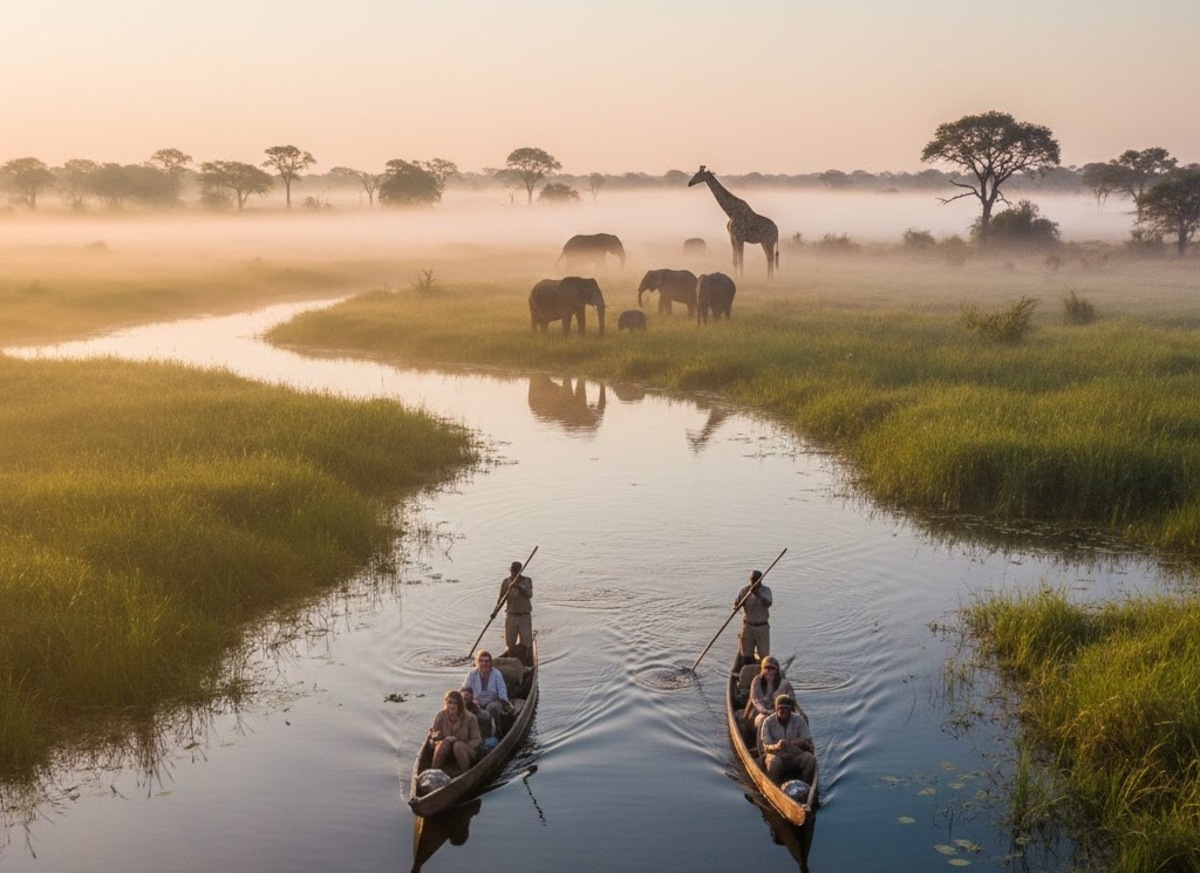
The Okavango Delta remains one of the world’s most extraordinary ecosystems. But by 2026, the focus isn’t just on spotting wildlife—it’s about living within the landscape.
New luxury camps emphasize:
-
Water-based safaris
-
Low-impact design
-
Deep storytelling with local guides
A safari guide explains it best:
“Here, the land isn’t just scenery—it’s the main character.”
Seasonal floods, labyrinth-like waterways, and abundant wildlife create an experience that feels both intimate and epic.
Ngare Ndare Forest, Kenya: Where Adventure Meets Stillness
Kenya’s tourism narrative is expanding beyond the savannah.
Hidden near Mount Kenya, Ngare Ndare Forest offers canopy walks, turquoise pools, and ancient fig trees that feel almost mystical.
A tour operator describes it as:
“Part adventure, part meditation.”
This blend of thrill and tranquillity is exactly what modern travellers are seeking—experiences that nourish both body and soul.
Mole National Park, Ghana: West Africa’s Untamed Wilderness
Often overshadowed by East Africa’s famous parks, Mole National Park remains one of West Africa’s most underrated gems.
Home to elephants, antelope, and rich birdlife, Mole offers a safari experience that feels refreshingly uncommercialized.
A conservationist puts it simply:
“Mole is raw Africa—vast, quiet, and wonderfully unhurried.”
For travellers seeking authenticity over spectacle, Mole delivers in spades.
Festivals and Experiences Powering Africa Tourism 2026
Tourism isn’t just about where you go—it’s about what you experience while you’re there.
MTN Bushfire Festival, Eswatini
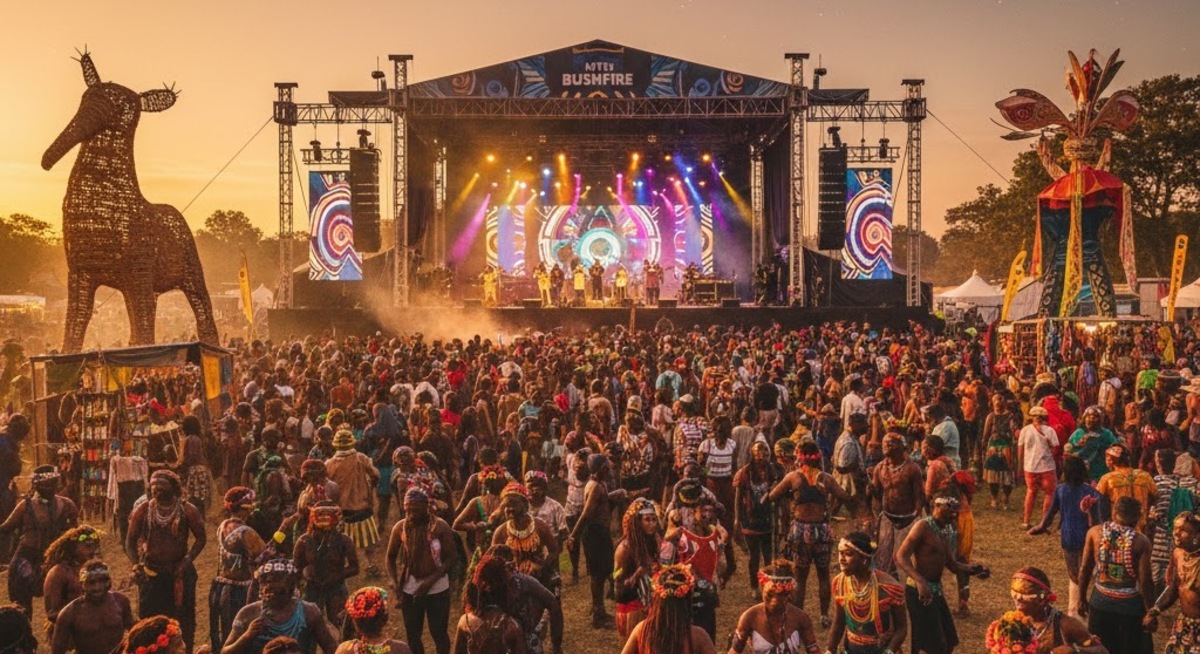
The MTN Bushfire Festival is more than an event—it’s a movement.
Blending music, dance, visual arts, and social dialogue, Bushfire attracts global artists and conscious travellers alike.
One attendee shared:
“Bushfire isn’t just something you attend—it’s something you feel.”
Its focus on unity, creativity, and community makes it one of Southern Africa’s most impactful cultural experiences.
What Driving Africa’s Tourism Renaissance?
Africa’s rising tourism appeal isn’t accidental.
Several forces are shaping this renaissance:
-
Improved air connectivity
-
Investment in sustainable tourism
-
Community-led travel initiatives
-
A global shift toward experiential travel
Countries like Kenya, Tanzania, Egypt, Mauritius, and Ghana are leading the recovery, showcasing how tourism can fuel economic growth while preserving cultural identity.
As one travel strategist puts it:
“The future of African tourism isn’t about choosing between nature and culture—it’s about discovering where they meet.”
The 2026 Tourism Map: More Diverse Than Ever
By 2026, Africa’s tourism story will be richer, broader, and far more inclusive.
From secluded islands in Comoros to canopy walks in Kenya, from Lagos’ buzzing art scene to soul-stirring festivals in Eswatini, Africa’s hidden gems offer experiences that don’t fade once the journey ends.
This is a continent stepping confidently into its future—on its own terms.
Conclusion
Africa tourism 2026 isn’t about ticking destinations off a list—it’s about rewriting how we travel.
It’s about slowing down, listening deeply, and engaging honestly with the places and people we encounter. The continent’s hidden gems and emerging hotspots invite travelers to go beyond the obvious and embrace the extraordinary.
If travel were a book, Africa next chapter would be the one you can’t put down—layered, surprising, and profoundly human. And the best part? This story is only just beginning.