


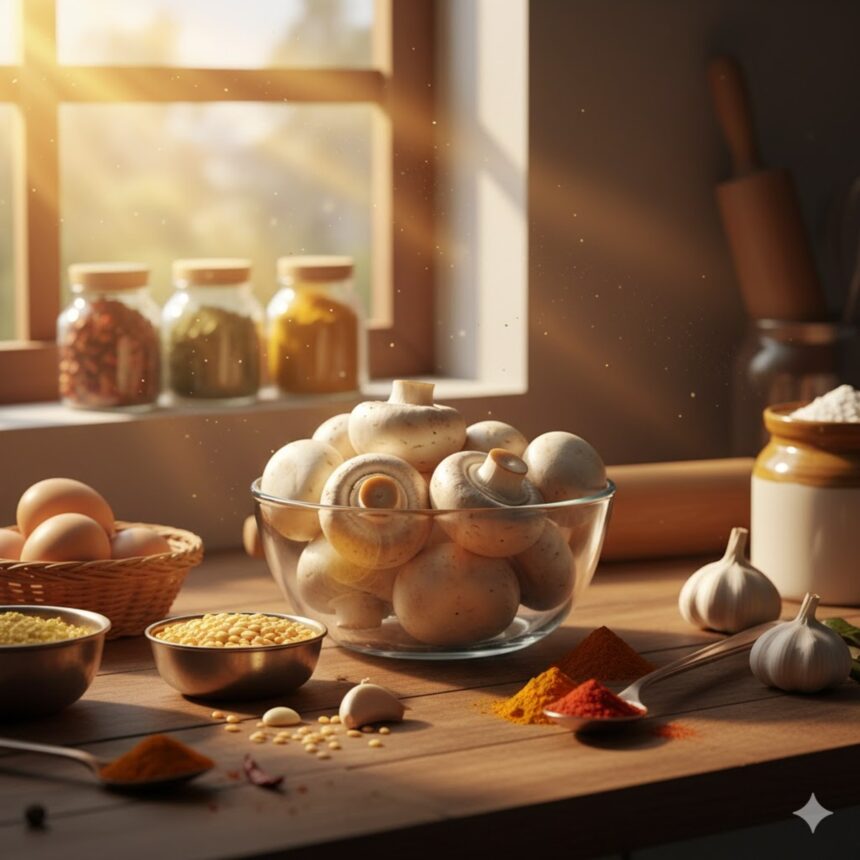
Vitamin D Rich Mushrooms quietly keeps your bones strong, your immunity steady, and your mood more balanced, yet most people don’t even realise they’re running low until a blood test says so. Many adults need around 600 IU of vitamin D daily, with requirements going up to about 800 IU as you get older, and yet deficiency remains surprisingly common in India and worldwide. Sunlight helps, yes, but if you spend most of your day indoors, work late hours, or avoid harsh sun, you need food sources to step in and support your levels.
That’s exactly where mushrooms can play a smart, simple role in your routine. They’re one of the few vegetarian foods that can naturally provide vitamin D, especially when exposed to sunlight before cooking. Even better, they slide easily into Indian-style meals you already eat—no fancy recipes, no major lifestyle changes, just tweaks that quietly upgrade your plate. So, how can you make mushrooms a regular guest at your table without feeling like you’re “dieting”? Let’s walk through six easy, practical ways.
Understanding Mushrooms as a Vitamin D Friend
Vitamin D Rich Mushrooms work like a backstage manager for your body—hardly visible, but absolutely essential for the show to run smoothly. It supports bone health, calcium absorption, muscle function, and even immunity, which is why low levels can leave you feeling more tired and run-down than usual.
Vitamin D Rich Mushrooms are special because, unlike most plant-based foods, they can naturally produce vitamin D when exposed to sunlight, a bit like human skin does. When you treat them right—especially by giving them a short sunbath before cooking—they become a more meaningful contributor to your daily vitamin D intake. The goal isn’t to rely on mushrooms alone, but to make them a regular, reliable part of the picture.
1. Give Your Mushrooms a Sunbath Before Cooking
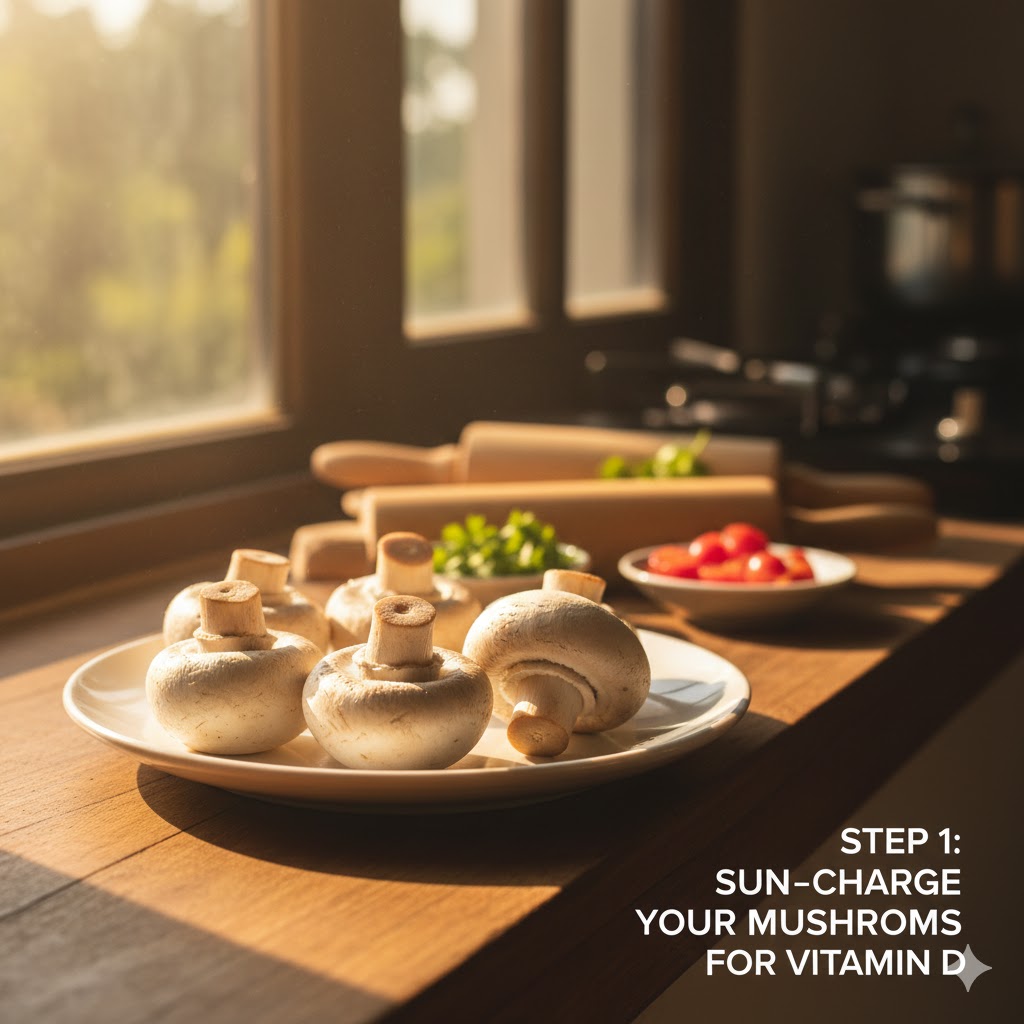
Before you even turn on the gas, you can boost the nutritional value of mushrooms with a tiny, almost effortless step: sunlight. Think of it as charging them up before they go into your pan.
-
Place fresh mushrooms gill-side up (that’s the side with the lines underneath) on a clean plate or tray.
-
Keep them in direct sunlight for about 20–30 minutes.
-
After that, cook them exactly as you normally would—no change in recipe needed.
This short sun exposure helps increase their vitamin D content naturally while leaving their taste and texture more or less unchanged. For Indian homes, where sunlight is often available at least part of the day, this is a simple habit you can build into your prep routine. Slice veggies? Check. Knead dough? Check. Put mushrooms in the sun for a bit? Easy.
2. Quick Mushroom Stir-Fry for Everyday Meals
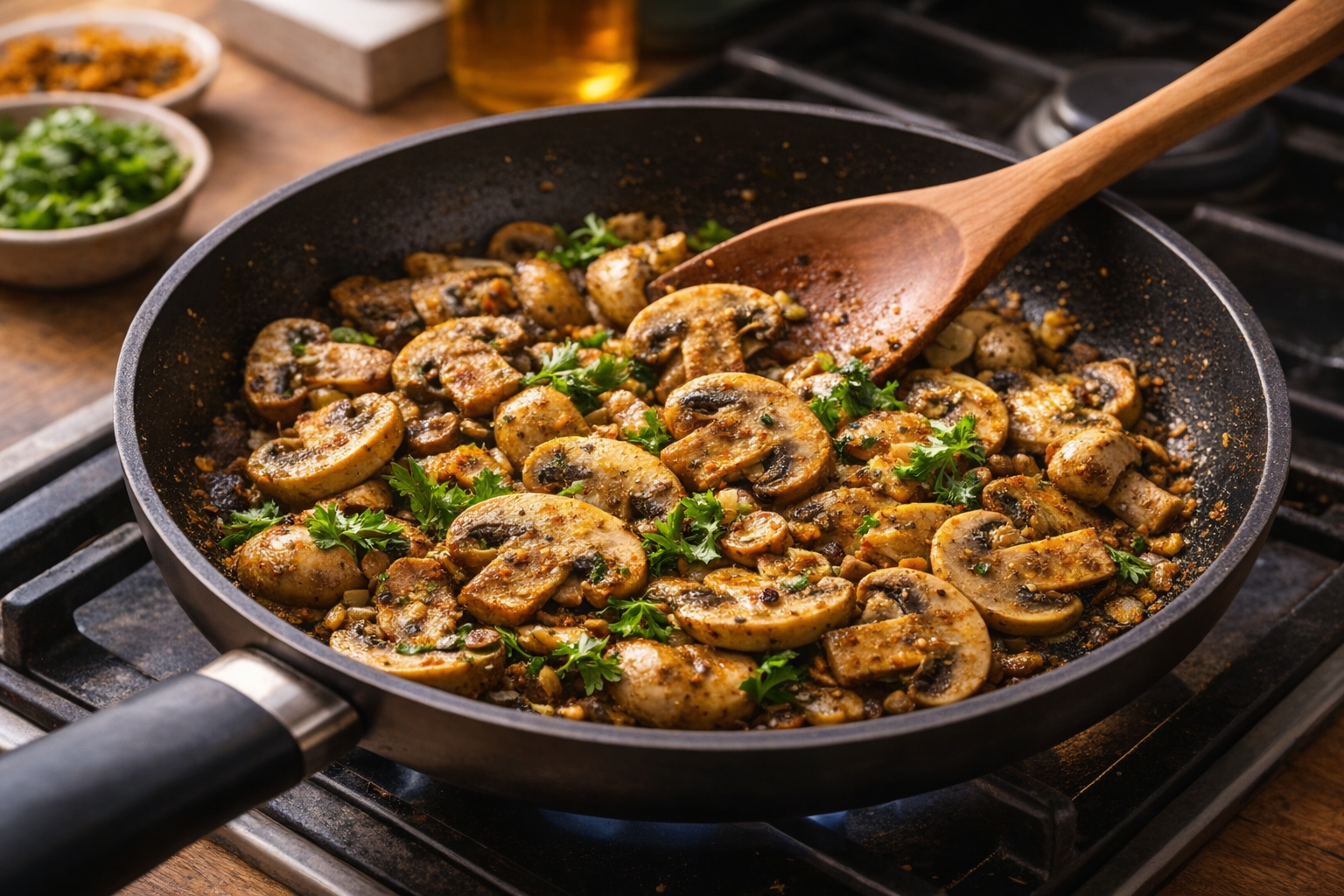
If there’s one method that fits almost every household, it’s a quick stir-fry. You don’t need a big recipe, a long ingredient list, or special skills—just a pan, some basic masalas, and five to ten minutes.
Here’s a simple way to make it work with your regular food:
-
Slice mushrooms slightly thick so they don’t disappear in the pan.
-
Heat a little oil, then add chopped garlic and jeera (cumin) and let them crackle.
-
Toss in the mushrooms, add salt, pepper, and maybe a pinch of haldi or chilli if you like, and cook on medium heat until they soften and get a bit of colour.
This stir-fry sit happily beside dal-chawal, roti-sabzi, curd rice, or even pulao. You can also pack it into a lunchbox or roll it into a roti as a quick wrap. Mushrooms soak up flavour quickly, so even simple seasoning feel satisfying, and the dish stay light and easy to digest.
3. Sneak Mushrooms into Parathas and Rotis
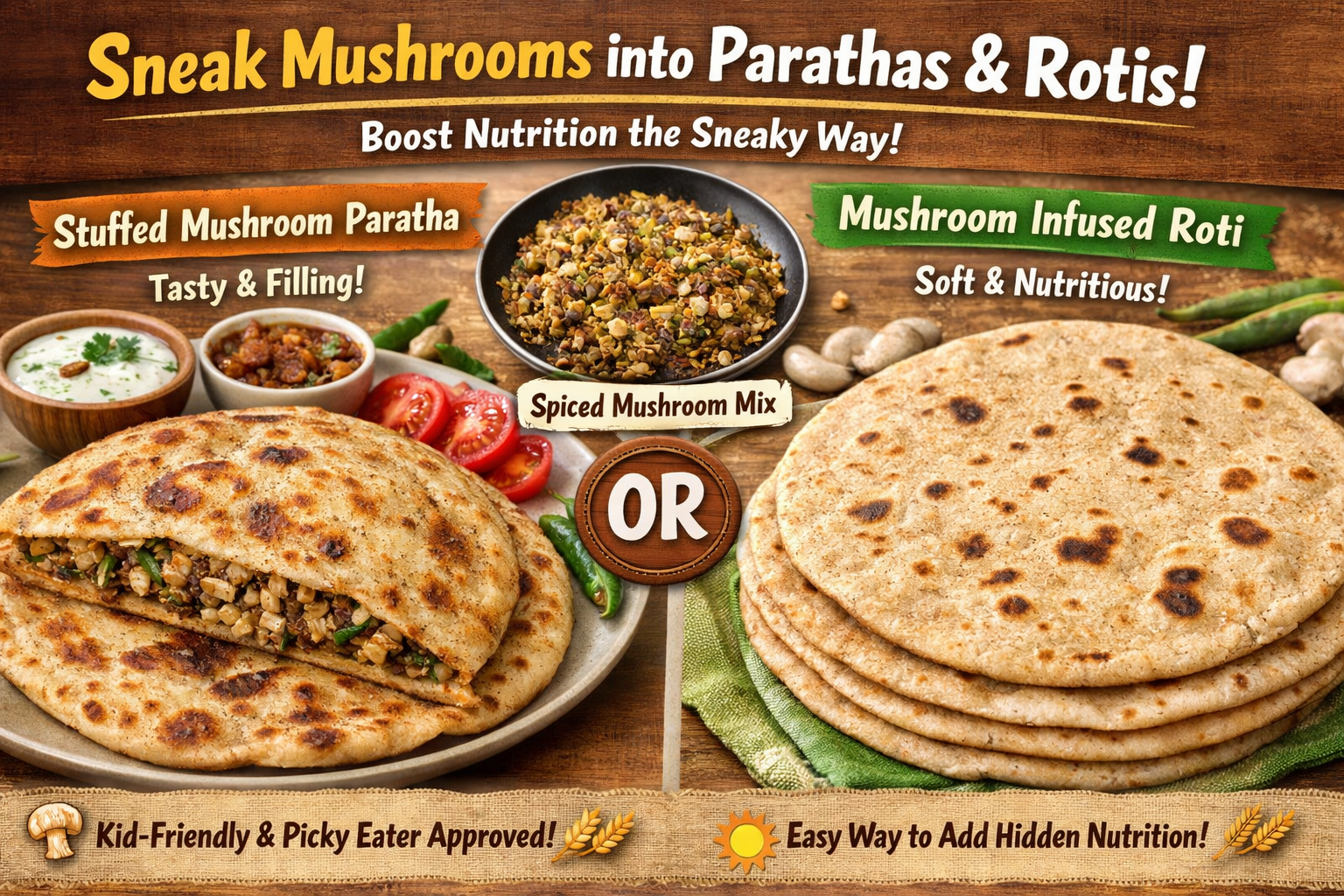
If your family love paratha and roti, you already have a powerful way to slip in more mushrooms without any drama. This works especially well for kids and picky eater who wrinkle their nose at “visible” vegetable.
Try this approach:
-
Finely chop or grate mushrooms so they’re small and easy to mix.
-
Sauté them briefly in a pan to remove excess moisture and prevent soggy dough.
-
Add spices like dhania powder, salt, a little ajwain, maybe some green chilli or grated onion if you like.
Now you can either:
-
Use this mixture as a stuffed paratha filling, or
-
Mix it straight into the atta while kneading for softer, more flavourful rotis.
The beauty of this method is that mushrooms stop being the “main character” on the plate. They blend into the dough, so the bread still looks normal but carries extra nutrition. It’s a gentle way to build vitamin D support into something your family already eats regularly.
4. Make Comforting Mushroom Soup for Low-Sun Days
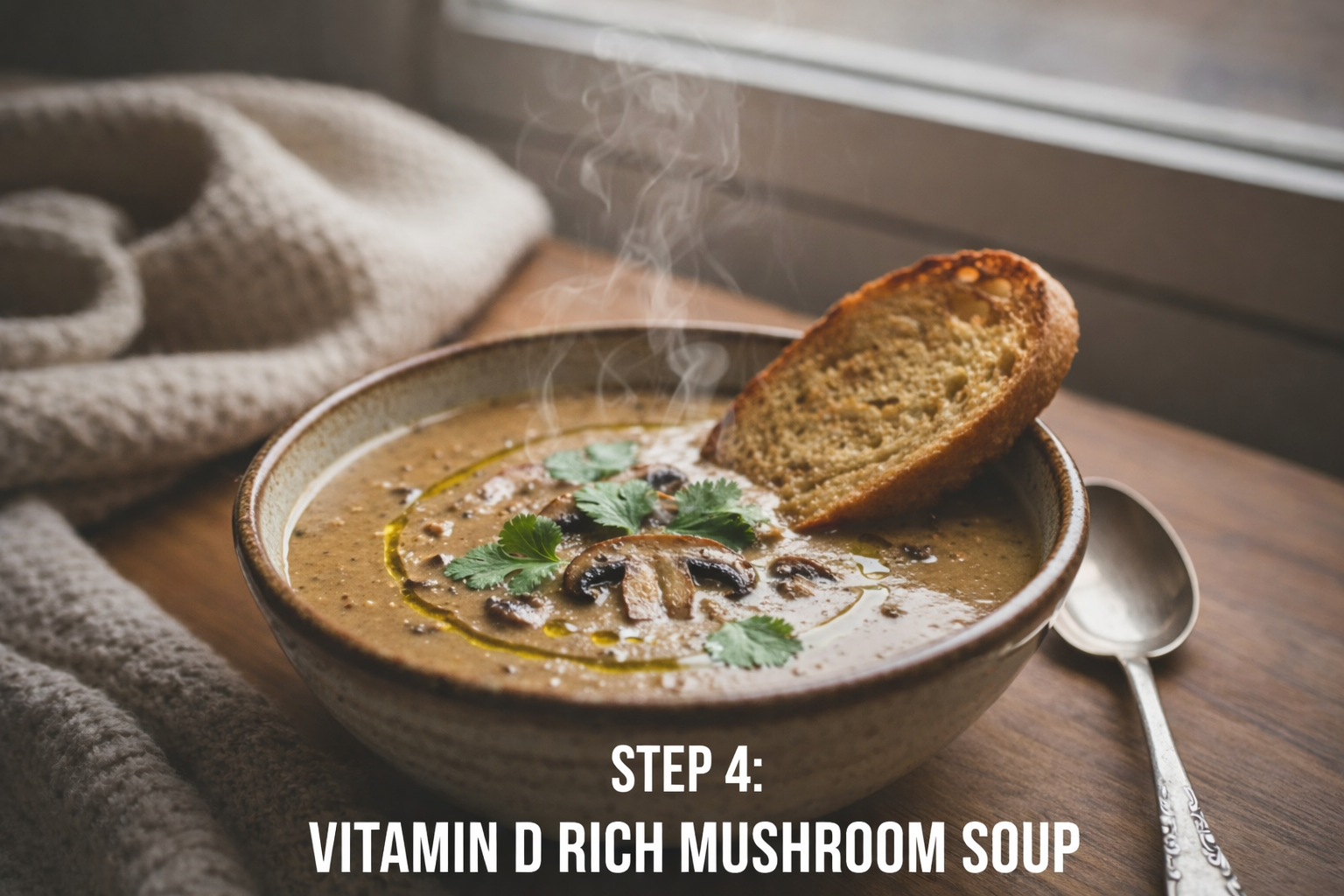
On days when the sky is dull, or you’ve barely stepped outside, a warm bowl of soup can double up as comfort and nutrition. Vitamin D Rich Mushroom soup, in particular, brings a natural, deep savoury taste—thanks to the umami flavour—that feels rich even without heavy cream.
A simple version looks like this:
-
Sauté sliced mushrooms with onions, garlic, or ginger in a little oil or butter.
-
Add water or vegetable/chicken stock and let it simmer until everything softens.
-
Blend the mixture lightly—either fully smooth or partly chunky, depending on your preference.
-
Season with salt, pepper, and herbs like thyme or coriander.
You can sip it alone as a light evening meal or pair it with toast, grilled bread, or a simple salad. When your sunlight exposure is naturally lower—rainy days, winter evenings, busy office weeks—this kind of soup becomes a warm, reliable way to keep mushrooms (and therefore vitamin D) in your routine.
5. Try Raw Mushroom Salads—When Fresh and Clean
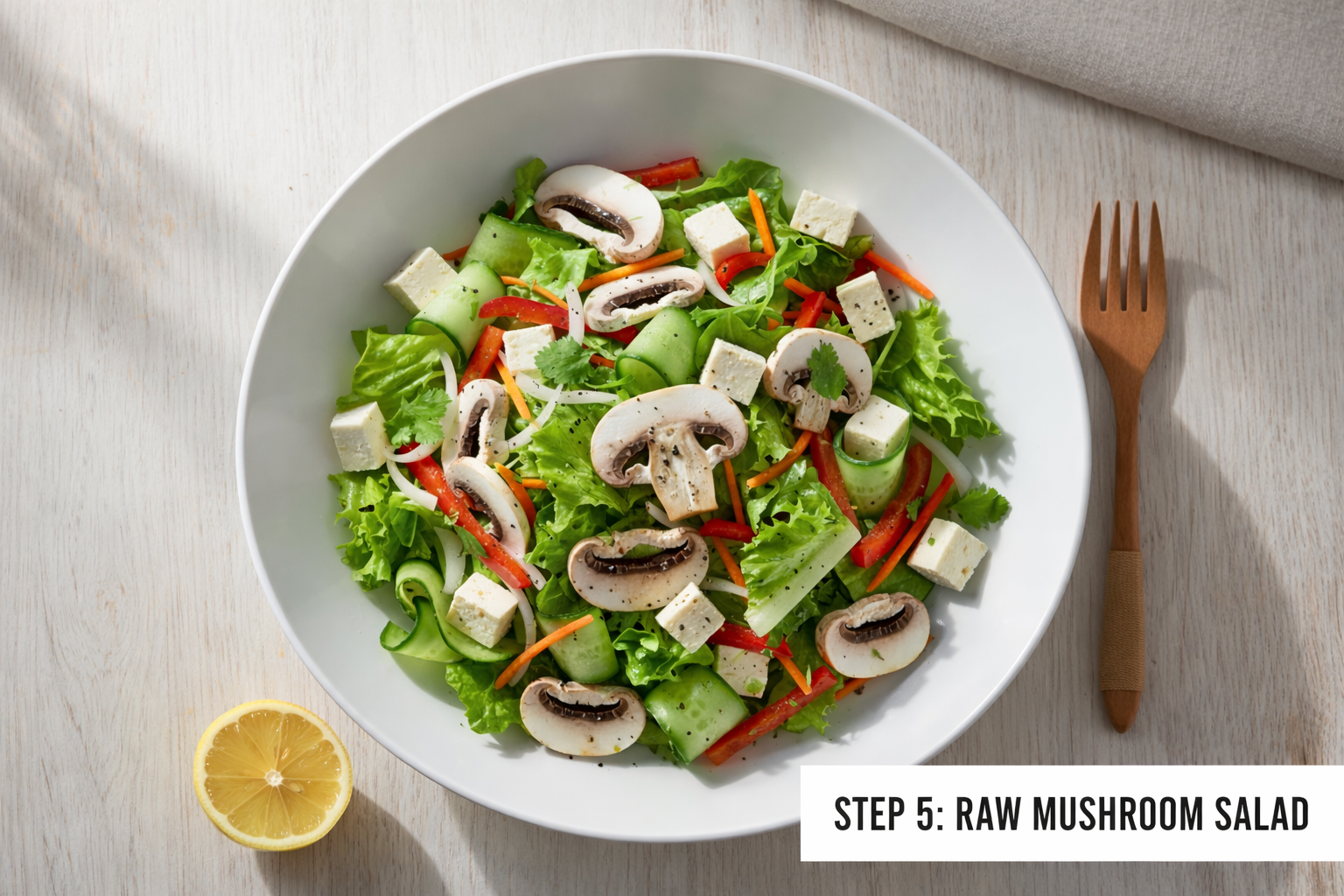
Not many people realise that fresh button Vitamin D Rich Mushrooms can be eaten raw, as long as they’re clean and in good condition. If you enjoy crisp, refreshing salads, mushrooms can bring a pleasant bite and mild earthy flavour to the bowl.
Here’s how to make them work:
-
Choose very fresh button mushrooms—firm, clean, and without dark spots.
-
Wipe or wash them properly and slice them thin.
-
Toss them with lemon juice, olive oil, salt, and pepper as a basic dressing.
You can then add:
-
Paneer for protein and creaminess.
-
Lettuce or other greens for volume.
-
Grated carrot or capsicum for colour and crunch.
The lemon juice helps brighten the taste and can support better absorption of other nutrients in the meal. Keep portions modest, especially if you’re not used to raw mushrooms, and always prioritise freshness. This kind of salad works beautifully as a light lunch, a side dish, or a pre-meal starter that doesn’t weigh you down.
6. Mix Mushrooms into Eggs, Dal, and Everyday Curries
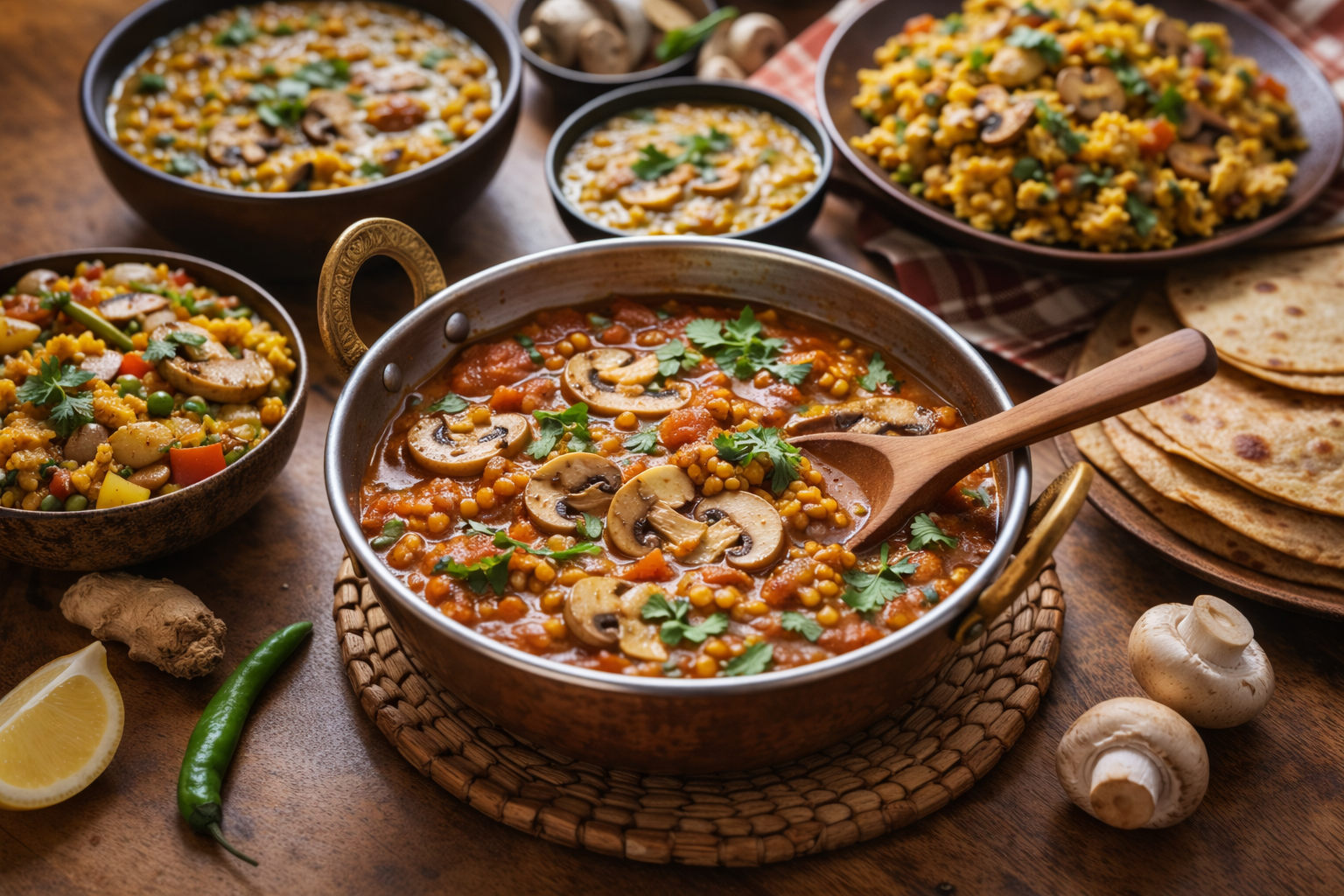
Sometimes the easiest way to change your nutrition is not to change your recipes at all, just what you put inside them. Mushrooms are versatile enough to blend into many familiar dishes without making the plate look or feel radically different.
Some simple ideas:
-
Add chopped mushrooms to omelettes or scrambled eggs for a heartier breakfast or dinner.
-
Stir them into mixed vegetable gravies where their texture stands up well to gentle spices.
-
Combine them with dals like moong or chana, especially in mildly spiced, tomato-based curries.
This method is powerful because your routine stays the same. The kadhi, dal, egg bhurji, or curry you always make is still there—the colours, the aromas, the comfort. The only difference is that mushrooms have quietly joined the cast, bringing their own nutritional benefits along with the familiar flavours you already love.
Choosing and Handling Mushrooms Safely
Vitamin D Rich Mushrooms are going to be a frequent guest in your kitchen, it pays to treat them right from the start. Good handling not only protects your health but also keeps the taste and texture at their best.
-
Always pick mushrooms that are firm, not slimy, and free from strong, unpleasant smells.
-
Store them in the fridge, ideally in a paper bag or breathable container, and use them within a few days.
-
Rinse quickly or wipe gently just before cooking to avoid them soaking up too much water.
If you’re planning to eat them raw, be extra careful: choose only very fresh button mushrooms, clean them thoroughly, and keep portions moderate. For most other uses—stir-fries, curries, soups—cooking helps bring out flavour while keeping digestion comfortable.
Making Mushrooms a Habit, Not a One-Time Experiment
The real magic of Vitamin D Rich Mushrooms for vitamin D doesn’t come from one fancy dish; it comes from small, repeatable habits. The aim is not to force yourself into extreme changes but to make mushrooms a normal, almost boring part of your weekly routine.
You can:
-
Set a simple rule like “use mushrooms at least twice a week.”
-
Keep a mental list of go-to recipes: stir-fry, paratha, soup, salad, curry add-ins.
-
Use sunlight exposure for mushrooms whenever you have a few extra minutes before cooking.
Over time, these little actions add up. Your meals stay familiar and comforting, your kitchen doesn’t feel more complicated, but your plate quietly becomes more supportive of your vitamin D needs. It’s nutrition by habit, not by struggle.
Conclusion
Vitamin D might be a silent worker in your body, but the impact of low levels is anything but silent—fatigue, weaker bones, and a greater risk of health issues can creep in slowly over time. Mushrooms offer a simple, vegetarian-friendly way to contribute to your vitamin D intake, especially when you take that extra step of sunning them briefly before cooking. By weaving them into stir-fries, parathas, soups, salads, eggs, dals, and everyday curries, you make better nutrition part of your normal eating pattern rather than a special project.
You don’t have to overhaul your lifestyle or master restaurant-style dishes. Just nudge your usual meals slightly in a smarter direction. A handful of mushrooms in the pan today can be one quiet, consistent way of supporting your health for years to come.
Mushrooms may look humble, but they’re like the quiet friend who always shows up when you need support—never demanding attention, yet surprisingly powerful when you let them into your routine.